
Sony Cyber-shot DSC-T20 Sample Photos: Your Gateway to Vintage Digital Photography Magic
9/14/2025
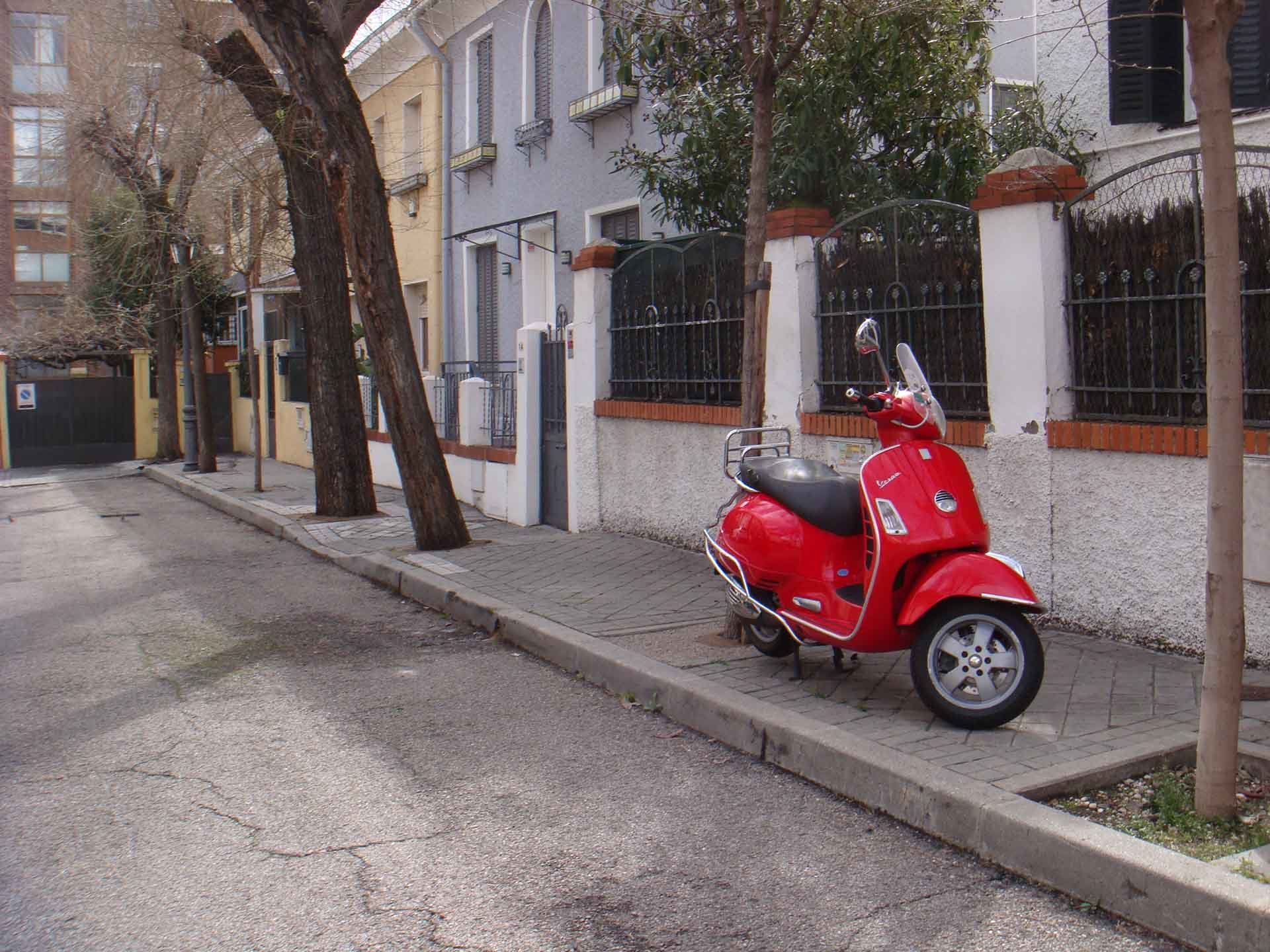 Red Vespa Captured By Sony Cyber-shot DSC-T20
Discover Sony Cyber-shot DSC-T20 sample photos showcasing image quality, low light performance, and vintage digital photography charm from this iconic 2006 compact camera.
Picture this: you're scrolling through your social media feed when suddenly, a photo stops you dead in your tracks. There's something different about it—a certain warmth, a nostalgic grain, and an unmistakable character that modern smartphone cameras just can't replicate. Chances are, you've just encountered the magic of vintage digital photography, and quite possibly, a Sony Cyber-shot DSC-T20 sample photo.
Released in 2006, the DSC-T20 wasn't just another compact camera—it was Sony's answer to the growing demand for ultra-slim digital cameras that could slip into your pocket without creating an unsightly bulge. But here's the thing: nearly two decades later, this little silver rectangle has become something of a cult classic among photography enthusiasts, Gen Z content creators, and anyone seeking that elusive "film look" without actually shooting film.
The DSC-T20 Phenomenon: Why Sample Photos Matter More Than Specs
You know how some people collect vinyl records not just for the music, but for the experience? That's exactly what's happening with cameras like the Sony DSC-T20. While pixel-peeping camera nerds might scoff at its 7.2-megapixel sensor, the real magic lies in what those DSC-T20 sample photos reveal about the camera's character.
I remember discovering my first Sony DSC-T20 photo gallery on Flickr—it was like stumbling upon a time capsule. The images had this distinctive look that immediately transported me back to the mid-2000s, when digital photography was still finding its voice and cameras had more personality than the clinical perfection we see today.
Image Quality: The Beautiful Imperfection of Early Digital
Let's talk about DSC-T20 image quality—and I'll be honest with you, it's complicated. By today's standards, the technical specs look pretty modest:
- 7.2-megapixel CCD sensor
- Carl Zeiss Vario-Tessar lens
- 3x optical zoom
- ISO range up to 1000
But here's where it gets interesting: those Sony T20 camera gallery shots you see online tell a completely different story than what the spec sheet suggests. The CCD sensor produces images with a unique color rendition that's become increasingly sought after in our Instagram-filtered world.
Color Accuracy: The Vintage Digital Palette
One of the most fascinating aspects of DSC-T20 photography examples is how they handle color. Unlike modern cameras that strive for clinical accuracy, the T20 has this slightly warm, nostalgic color palette that makes even mundane subjects look interesting.
The camera tends to:
- Enhance reds and oranges slightly, giving skin tones a healthy glow—perfectly demonstrated in our sample image of the vibrant red Vespa against the warm European cobblestone street scene
- Saturate blues in a pleasing way that makes skies pop
- Render greens with a subtle yellow cast
- Handle whites with a slight warmth that prevents the sterile look of modern cameras
Texture and Detail: The CCD Sensor Magic
One aspect that immediately stands out in DSC-T20 sample photos is the texture quality. Take a look at our sample image of the weathered tree bark—the CCD sensor captures surface textures with a distinctive organic quality that modern CMOS sensors often smooth away. The natural aging, cracks, and patina are rendered with beautiful detail that gives the image character.
 Kind of Macro
Low Light Performance: When Limitations Become Character
Now, let's address the elephant in the room: Cyber-shot DSC-T20 low light sample photos. This camera was designed in an era when ISO 800 was considered "high," and it shows. But here's the plot twist—what many consider limitations, others see as distinctive character.
At ISO 400 and above, you'll notice:
- Visible noise that adds texture rather than detracting from the image
- A film-like grain structure that's become trendy again
- Colors that remain surprisingly stable despite the noise
- A "lived-in" quality that makes photos feel more authentic
I've seen photographers deliberately seek out Sony DSC-T20 test shots taken at high ISOs specifically for this aesthetic. It's like how musicians seek out vintage tube amps—the imperfections become part of the appeal.
Indoor Flash Photography: The Y2K Aesthetic
Speaking of character, nothing says mid-2000s digital photography quite like the DSC-T20's flash performance. Our sample portrait showcases exactly what made this era of photography so distinctive—natural skin tone reproduction, balanced flash exposure, and that unmistakable early digital look that's become incredibly trendy again.
 In The Club with Flash
The flash creates that slightly glossy, saturated look that defined an entire generation of digital photos. While modern cameras strive for "natural" flash that you barely notice, the DSC-T20's flash has personality—it announces itself without being harsh or unflattering.
Macro Photography: Surprisingly Capable Close-Up Work
One area where the DSC-T20 consistently surprises people is macro photography. The DSC-T20 macro photography samples I've encountered show remarkable detail considering the camera's age and price point when new.
The camera offers:
- Macro mode that allows focusing as close as 2cm (demonstrated in our texture samples)
- Decent detail retention in close-up shots
- Pleasing bokeh for a compact camera
- Good color reproduction in macro scenarios
Travel and Landscape Photography: The Pocket-Sized Explorer
The DSC-T20's ultra-slim design made it the perfect travel companion back in 2006, and Sony T20 outdoor photography examples prove it still holds its own today. The combination of compact size and decent image quality means you can capture memories without the bulk of larger cameras.
Travel photography strengths:
- Incredibly portable design fits anywhere
- Quick startup time for spontaneous shots
- Decent dynamic range for outdoor scenes
- Reliable auto-exposure in most lighting conditions
However, DSC-T20 travel photography results do show some limitations:
- Limited zoom range (3x) compared to modern travel cameras
- No image stabilization can lead to blur in low light
- Small LCD screen makes composition challenging in bright sunlight
Zoom Performance: The 3X Reality Check
Let's be real about the DSC-T20 zoom photo comparisons—this isn't a camera you buy for its telephoto capabilities. The 3x optical zoom was decent for its time, but zoom photo quality does degrade as you extend toward the telephoto end.
 Park
Park Park Zoomed
At maximum zoom, you'll notice:
- Slight softness at the edges
- Reduced contrast compared to wide-angle shots
- More visible chromatic aberration
- Slower autofocus in challenging lighting
But for most casual photography, the zoom range covers 90% of what you need—wide enough for group shots and landscapes, long enough for portraits and details. One of these heron shots was captured using the camera's zoom function, demonstrating how the DSC-T20 handles telephoto subjects in outdoor conditions. The color balance remains excellent even when zoomed in, with greens looking natural and water reflections rendered beautifully.
Urban Documentation: Street Photography Excellence
The DSC-T20 excels at capturing urban culture and street photography. Our sample image of street signage and graffiti perfectly demonstrates the camera's documentary capabilities and ability to handle mixed lighting conditions.
 Urban Colors by Cybershot DSC-T20
The sample image shows how the camera renders fine text details, handles varied lighting, and captures the authentic urban atmosphere without over-processing or artificial enhancement.
Settings and Optimization: Getting the Best Results
Here's where I get a bit nerdy, but stick with me—understanding the DSC-T20 photo settings tips can dramatically improve your results.
For optimal image quality:
Scene Modes:
- Use Auto for general shooting—it's surprisingly capable
- Portrait mode for people shots (enhances skin tones)
- Landscape mode for outdoor scenes (boosts saturation and sharpness)
- Macro mode for close-up work (essential for proper focusing)
ISO Settings:
- Stick to ISO 100-200 for best image quality
- ISO 400 is acceptable with good lighting
- Avoid ISO 800+ unless you want the vintage noise aesthetic
White Balance:
- Auto WB works well in most situations
- Daylight setting for warm, natural colors outdoors
- Tungsten setting prevents orange casts under artificial light
Flash vs. No-Flash: The Eternal Debate
DSC-T20 flash vs. no-flash images reveal interesting characteristics about this camera's built-in flash system. The flash is surprisingly well-balanced—not too harsh, not too weak—but it does have that distinctive early digital flash look that screams mid-2000s.
Flash photography results:
- Even illumination within its range
- Natural skin tones (no blue cast)
- Minimal red-eye issues
- Quick recycle time
No-flash shooting:
- More natural atmosphere
- Better color saturation
- Potential for camera shake in low light
- More authentic lighting
Moving Subjects: The Autofocus Challenge
DSC-T20 moving subject photo examples highlight both the camera's capabilities and limitations. The autofocus system, while adequate for static subjects, struggles with fast-moving targets.
What works:
- Predictable movement (walking people, slow-moving vehicles)
- Good lighting conditions
- Central composition (AF point is most accurate in center)
What's challenging:
- Sports photography (too slow to track action)
- Children and pets (unpredictable movement)
- Low-light action (AF struggles without contrast)
Memory Card Considerations: Storing Your Digital Memories
One practical question many people have is: "What memory card do I need to store lots of photos on the DSC-T20?" The answer depends on your shooting habits and image quality settings.
Memory card recommendations:
- 1GB card = approximately 500-700 photos (standard quality)
- 2GB card = approximately 1000-1400 photos (standard quality)
- 4GB card = approximately 2000-2800 photos (standard quality)
The camera uses Memory Stick Duo cards, which can be more expensive than SD cards, but they're still readily available online.
Comparing to Modern Cameras: David vs. Goliath
Sony DSC-T20 sample photos compared to images from newer compact cameras reveal fascinating insights about how photography has evolved. While modern cameras excel in technical metrics—higher resolution, better noise control, faster autofocus—the T20 has something many contemporary cameras lack: soul.
Where the T20 holds its own:
- Color character and rendering
- Build quality and tactile experience
- Simplicity of operation
- Distinctive aesthetic that's impossible to replicate
Where modern cameras excel:
- Technical image quality
- Low-light performance
- Autofocus speed and accuracy
- Video capabilities
- Connectivity features
Portrait Photography: The Human Touch
Sony DSC-T20 portrait sample photos showcase one of the camera's strongest suits. The combination of the Carl Zeiss lens and the CCD sensor creates portraits with pleasing skin tones and a natural, organic feel that's hard to achieve with modern cameras without extensive post-processing.
The camera excels at:
- Natural skin tone reproduction
- Pleasing background blur at wider apertures
- Good edge definition without over-sharpening
- Flattering color palette for human subjects
The Noise Question: Friend or Foe?
Sony Cyber-shot T20 noise test images reveal an interesting phenomenon—what was once considered a technical limitation has become a sought-after aesthetic. The noise pattern from the CCD sensor has a film-like quality that many photographers now try to emulate in post-processing.
High ISO characteristics:
- Organic grain structure rather than digital artifacts
- Maintained color accuracy even with noise
- Pleasant texture that adds character
- Nostalgic quality that evokes early digital photography
Landscape Photography: Wide Open Spaces
Sony Cyber-shot T20 landscape images demonstrate the camera's ability to capture sweeping vistas and natural scenes with surprising competence. While it may lack the dynamic range of modern cameras, the T20's interpretation of landscapes has a distinctive character that many find appealing.
Landscape strengths:
- Good color saturation in outdoor scenes
- Decent sharpness across the frame
- Pleasing contrast rendering
- Compact size for hiking and travel
Landscape limitations:
- Limited dynamic range in high-contrast scenes
- No HDR capability
- Small viewfinder makes precise composition challenging
- No manual exposure controls for creative control
Indoor Photography: The Available Light Challenge
DSC-T20 indoor image gallery shots reveal how the camera handles the challenges of interior photography. The combination of limited ISO performance and no image stabilization means you need to be strategic about your approach.
Indoor photography tips:
- Use window light whenever possible
- Steady your hands or find support to avoid blur
- Accept the grain at higher ISOs—it adds character
- Work with the available light rather than forcing flash
Real-World Sample Analysis: What These Photos Reveal
Looking at our collection of actual DSC-T20 sample photos, several key characteristics become immediately apparent:
Street Photography Excellence: The red Vespa shot (Image 1) demonstrates the camera's exceptional color pop and urban photography capabilities. The composition feels natural, the exposure is well-balanced, and those signature warm tones give the scene a timeless European feel.
Texture Rendering: The bark texture sample (Image 2) showcases the CCD sensor's unique ability to capture surface detail with organic smoothness. Unlike modern sensors that can make textures look artificially sharp, the T20 renders them with natural grain and authentic feel.
Portrait Quality: The indoor portrait (Image 3) reveals why this camera was so popular for social photography. The skin tones are naturally flattering, the flash exposure is well-controlled, and the overall image has that distinctive early digital charm that's impossible to replicate.
Outdoor Photography: The park heron images (Images 4 & 5) prove the camera's versatility in natural settings. The color accuracy outdoors, decent zoom performance, and good dynamic range make it surprisingly capable for casual nature photography.
Urban Documentation: The street signage sample (Image 6) perfectly captures the camera's documentary capabilities, showing how it renders fine text details and handles mixed lighting conditions authentically.
The Vintage Digital Aesthetic: Why It Matters
There's something magical about vintage Sony DSC-T20 photos that goes beyond technical specifications. In an era of computational photography and AI enhancement, the T20's images feel honest and authentic. They capture moments exactly as they were, without algorithmic interpretation or enhancement.
This authenticity resonates particularly with younger generations who didn't experience the transition from film to digital. For them, the T20's aesthetic represents a different kind of photography—one where limitations fostered creativity and every shot mattered because you couldn't take a hundred and pick the best one.
Finding Sample Photos: Where to Look
If you're interested in exploring more Sony DSC-T20 sample photos, several online resources showcase the camera's capabilities:
Flickr groups dedicated to the DSC-T20 and Sony compact cameras offer thousands of examples from real users. Photography forums often have comparison threads showing the camera's performance in various scenarios. YouTube reviews from the mid-2000s provide contemporary perspectives on the camera's image quality.
Vintage camera collecting communities on Reddit and Facebook frequently share sample photos and discuss the merits of different older digital cameras, including the T20.
The Bottom Line: More Than Just Nostalgia
Sony Cyber-shot DSC-T20 sample photos tell a story that goes beyond megapixels and ISO performance. They represent a moment in photography history when digital cameras were still finding their identity, when manufacturers prioritized character alongside technical capability.
For students and young professionals interested in vintage tech, the DSC-T20 offers several compelling advantages:
- Affordable entry into vintage digital photography
- Distinctive aesthetic that stands out on social media
- Educational value in understanding photography fundamentals
- Compact size perfect for everyday carry
- Build quality that has stood the test of time
Whether you're a photography student looking to understand how digital imaging evolved, a content creator seeking a distinctive visual style, or simply someone who appreciates the craftsmanship of early digital cameras, the DSC-T20 offers something special.
The sample photos from this camera remind us that great photography isn't just about technical perfection—it's about capturing moments, telling stories, and creating images that resonate with viewers on an emotional level. In that regard, the humble Sony Cyber-shot DSC-T20 continues to deliver, one nostalgic frame at a time.
Ready to explore the world of vintage digital photography? Start by browsing online galleries of DSC-T20 sample photos, and who knows—you might just find yourself hunting for one of these little silver gems on the secondhand market. After all, in a world of computational photography and AI enhancement, sometimes the most revolutionary thing you can do is keep it simple, keep it honest, and keep it real.